24-Carat Gold
India's gold market continues to show resilience with elevated prices driven by global macro trends, central bank demand, and geopolitical uncertainties. City-wise variations reflect local taxes and making charges.
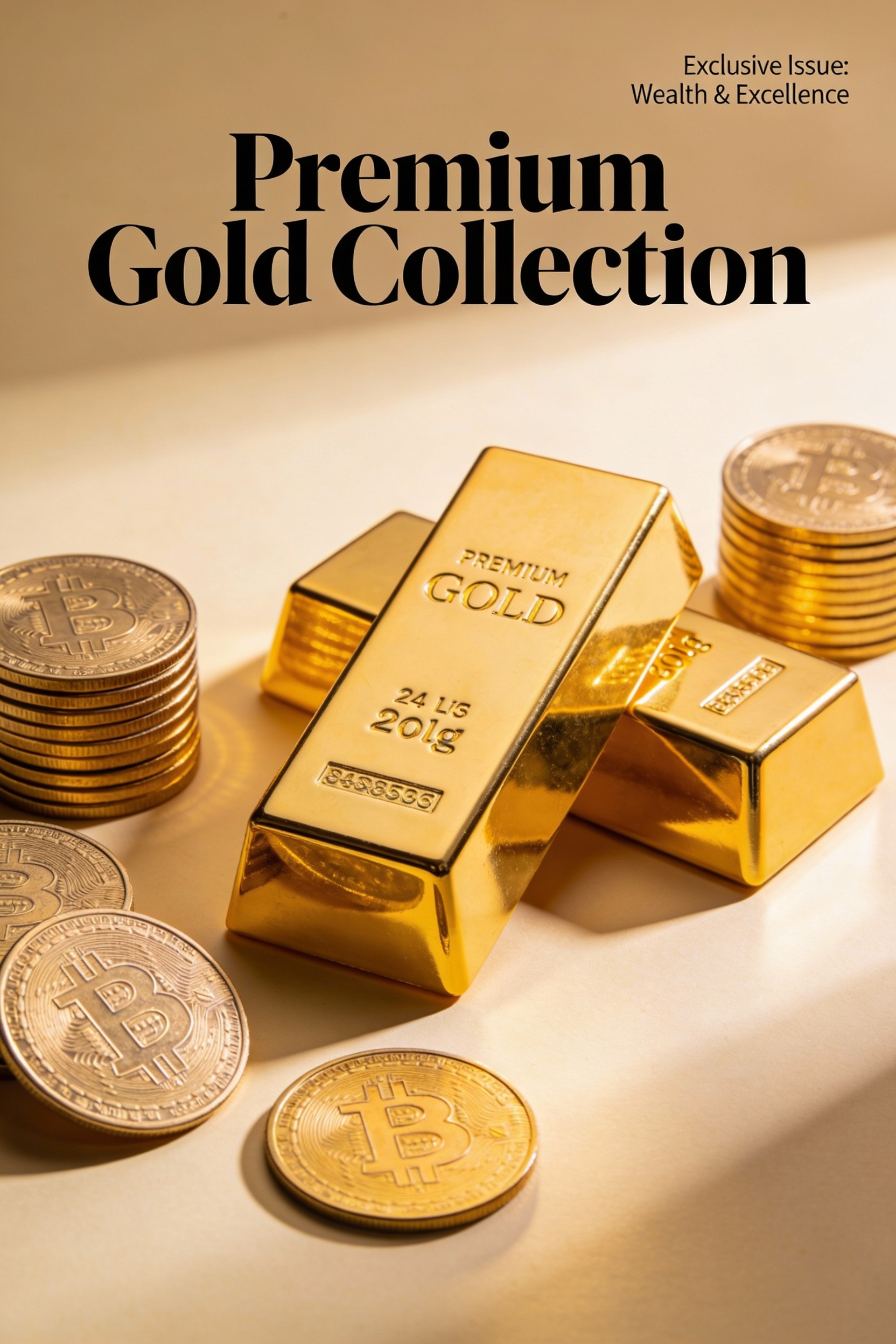
Today's Gold Rates in India
Gold Price Calculator
Enter quantity and choose unit to get the estimated value as per today's national average rates.
City-Wise Gold Prices
24K & 22K Gold Prices per 10 Grams
| City | 24K (₹) | 22K (₹) | 18K (₹) | Change |
|---|---|---|---|---|
| Delhi | ₹1,30,410 | ₹1,19,543 | ₹97,808 | ↑ +₹1,090 |
| Mumbai | ₹1,30,630 | ₹1,19,744 | ₹97,973 | ↑ +₹1,080 |
| Bangalore | ₹1,30,730 | ₹1,19,836 | ₹98,048 | ↑ +₹1,080 |
| Chennai | ₹1,31,010 | ₹1,20,093 | ₹98,258 | ↑ +₹1,090 |
| Hyderabad | ₹1,30,840 | ₹1,19,937 | ₹98,130 | ↑ +₹1,090 |
| Pune | ₹1,30,630 | ₹1,19,744 | ₹97,973 | ↑ +₹1,080 |
Market Highlights Today
Elevated Price Levels
24K gold hovering around ₹13,065 per gram across major Indian metros with consistent upward momentum through December 2025.
Global Factors
International spot gold prices, US dollar fluctuations, and import duties collectively shape domestic pricing. Safe-haven demand remains strong.
Central Bank Support
Strong global central bank purchases (900+ tonnes forecasted for 2025) provide structural support to gold prices worldwide.
Domestic Variation
City-wise differences of ₹200-400 per 10g reflect local GST applicability and jewellers' making charges, not market divergence.
Technical Status
Short-term overbought signals noted by analysts with key support/resistance levels being watched for potential pullback opportunities.
2026 Outlook
Research forecasts suggest potential gains into mid-2026 on sustained central bank demand and geopolitical hedging flows.
Why Are Gold Prices Rising?
🌐 Global Macro Trends: Inflation & Interest Rates
Persistent inflation concerns have kept gold attractive as a reliable store of value. The expectation of lower policy rates in some economies reduces the opportunity cost of holding non-yielding assets like gold.
- Inflation expectations remain elevated globally
- Central bank rate-cut cycles support gold demand
- Real yields near historic lows attract gold investors
- Purchasing power erosion drives hedging demand
🏛️ Central Bank Buying & Reserve Diversification
Strong central bank purchases globally, driven by reserve diversification away from fiat currencies and geopolitical tensions, have added significant structural demand to the gold market.
- Global CB gold reserves now represent ~20% of official reserves
- Reserve diversification away from US dollar dominance
- Geopolitical tensions accelerate de-dollarization strategies
- Long-term CB buying trend has further to run
⚠️ Geopolitical Risk & Safe-Haven Flows
Periods of geopolitical uncertainty tend to drive safe-haven flows into gold, maintaining a supportive bid and contributing to price resilience during volatile markets.
- Trade policy uncertainties support defensive positioning
- Regional conflicts maintain safe-haven demand
- Political instability drives wealth preservation demand
- Investors flee risky assets and seek gold
🇮🇳 Domestic Factors: Rupee, Taxes & Making Charges
In India, retail gold prices reflect the global spot price plus currency impacts (rupee movement), GST (5%), and jewellers' making charges—creating city-wise differences.
- Global spot → FX conversion → 5% GST → Retail add-ons
- Rupee depreciation makes gold more expensive in rupee terms
- Jewellers' making charges vary by city (₹100-300 per gram)
- Hallmarking charges add ₹5-15 per gram
📊 Technical Indicators & Short-term Forecasts
Short-term technicals have shown overbought signals with specific support/resistance levels being watched by traders.
- MCX December 2025 gold showing overbought signals
- Support levels being watched by institutional traders
- Potential for near-term pullbacks before continued uptrend
- Long-term uptrend intact for 2026
Gold Investment Guide: 4 Essential Steps
Define Your Objective
Portfolio Diversification: Maintain 5-15% of wealth in gold to stabilize returns during market downturns.
Determine Your Allocation
Asset Allocation: Decide gold share in your portfolio based on risk profile and time horizon.
Select Your Form
Three Options: Physical gold, Mining Stocks, or Gold ETFs. ETFs offer best balance of liquidity and cost efficiency.
Assess Your Timeline
Long-term Holding: Hold gold for 3–5+ years. Use as hedge for stock holdings or inflation protection.
Gold Investment Forms: Pros & Cons
💰 Physical Gold
Pros: Tangible ownership, no counterparty risk, works during system collapse.
Cons: High storage costs, theft risk, lower liquidity.
📈 Mining Stocks
Pros: Leverage to gold prices, dividend potential, high liquidity.
Cons: Higher volatility, company/management risk.
🎯 Gold ETFs
Pros: Direct gold price correlation, excellent liquidity, low costs.
Cons: No physical possession, some counterparty risk.
Gold Market Statistics
PYQs: Gold, Economy & Markets (For Aspirants)
Prompt: Discuss the role of gold as a safe-haven asset during periods of high inflation and geopolitical uncertainty. Evaluate the impact of central bank purchases on global gold prices.
Answer Structure:
- Define safe-haven asset and gold's historical role.
- Link gold with inflation expectations and real interest rates.
- Explain central bank buying and reserve diversification.
- Use current price levels and CB purchase data as examples.
- Give a balanced conclusion on sustainability of current rally.
Prompt: Explain how rupee movements, import duties, GST, and making charges shape retail gold prices in India.
Answer Structure:
- Step-wise flow: global spot → USD/INR → import duty → GST → jeweller margins.
- Impact of rupee depreciation on domestic gold prices.
- Role of GST and hallmarking in formalization of gold trade.
- Use city-wise price differences (Delhi vs Chennai, etc.) as data points.
- Policy angle: financial inclusion, digital gold, and transparency.
Prompt: Describe how technical indicators influence short-term gold price movements. What are common support/resistance strategies?
Answer Structure:
- Define RSI, moving averages, support and resistance.
- Explain overbought/oversold zones and trader behaviour.
- Discuss breakout and pullback strategies for gold.
- Connect with recent overbought signals and analyst levels.
- Conclude with risk management and long-term vs short-term view.
Prompt: Examine the role of gold in Indian household portfolios and its implications for financialization of savings.
Answer Structure:
- Share of gold in Indian household savings vs financial assets.
- Reasons for preference: culture, safety, liquidity, dowry, collateral value.
- Impact on financial sector: lower deposits, shift to physical assets.
- Government initiatives: Sovereign Gold Bonds, Gold ETFs, hallmarking.
- Way forward: balanced mix of gold and financial products.
Key Notes for Aspirants
Exam Strategy Tip: Always connect gold price trends with broader macro concepts—inflation, interest rates, rupee movements, and central bank actions—to score higher in analytical questions.
- Macro Lens: Relate gold with inflation, real rates, and GDP growth in GS answers.
- Domestic Lens: Mention GST, import duties, making charges, and rupee movement for India-specific questions.
- Data Discipline: Use recent prices and city-wise examples to show updated awareness.
- Safe-Haven Concept: Link gold with crises—COVID, financial meltdown, wars—as examples.
- Answer Structure: Definition → Drivers → India Context → Current Data → Balanced Conclusion.
- Diagram Use: Draw simple flowcharts (global spot → rupee → taxes → retail) in mains answers.
Sources & Attribution
Data Sources (December 2025):
- ClearTax Gold Rate India: Daily 24K, 22K, 18K gold prices.
- Financial Express & Economic Times: City-wise gold rates across metros.
- MCX & international spot market quotes: Intraday price trends.
- J.P. Morgan Research: Gold price forecasts for 2025–2026.
- World Gold Council: Central bank purchasing and reserve data.
Disclaimer: This content is educational and transformative. Always verify the latest rates before publishing. Attributions provided to maintain fair use and transparency.


